
Books by Alex Omberg
Books
Each volume is a complete introduction, written to be read on its own and arranged in series that build on one another.
Western Philosophy Series
The individual minds who shaped how the West thinks about knowledge, power, freedom and the good life, one figure at a time.
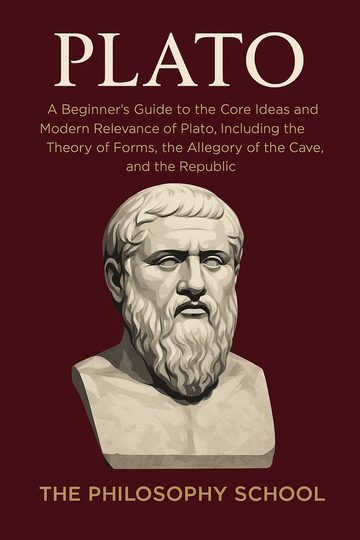
Plato
A Beginner's Guide to the Core Ideas and Modern Relevance of Plato, Including the Theory of Forms, the Allegory of the Cave, and the Republic
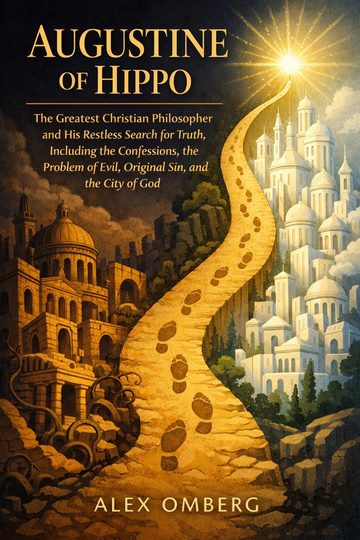
Augustine of Hippo
The Greatest Christian Philosopher and His Restless Search for Truth, Including the Confessions, the Problem of Evil, Original Sin, and the City of God
Averroes
A Beginner's Guide to the Great Islamic Philosopher and His Harmonization of Aristotelian Philosophy with Islamic Theology, Including His Defense of Reason
Thomas Aquinas
A Beginner's Guide to the Greatest Medieval Christian Philosopher and His Synthesis of Aristotelian Philosophy with Catholic Theology, Including the Five Ways and Natural Law
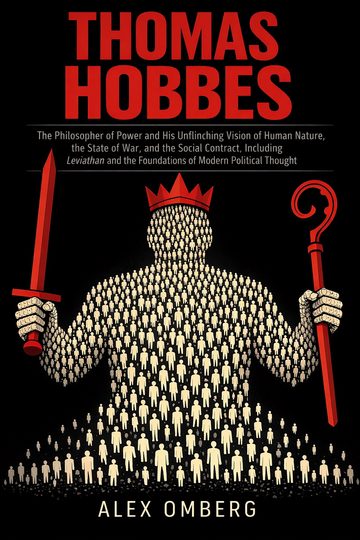
Thomas Hobbes
The Philosopher of Power and His Unflinching Vision of Human Nature, the State of War, and the Social Contract, Including Leviathan and the Foundations of Modern Political Thought
Baruch Spinoza
The God-Intoxicated Philosopher and His Radical Vision of Nature, Freedom, and the Unity of All Things, Including the Ethics and the Path to Human Blessedness
George Berkeley
A Beginner's Guide to the Irish Bishop and Empiricist Who Argued That To Be Is To Be Perceived and His Radical Idealism That Denies the Existence of Matter
Montesquieu
The Philosopher of Liberty and His Theory of the Separation of Powers, the Spirit of Laws, and the Art of Constitutional Government That Shaped the Modern World
Voltaire
Reason, Tolerance, and the Enlightenment Fight Against Religious Fanaticism, Including Candide and the Philosophical Dictionary
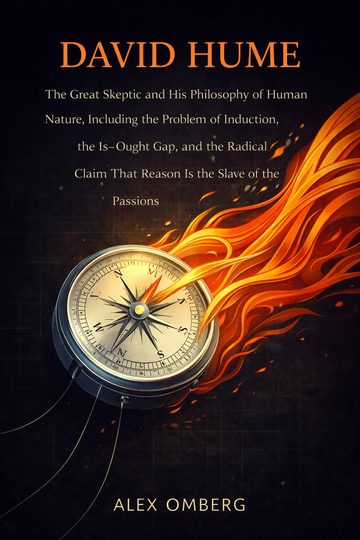
David Hume
The Great Skeptic and His Philosophy of Human Nature, Including the Problem of Induction, the Is-Ought Gap, and the Radical Claim That Reason Is the Slave of the Passions
Jean-Jacques Rousseau
A Beginner's Guide to the Revolutionary Thinker and His Theories of the General Will, the Noble Savage, and How Civilization Corrupts Natural Goodness
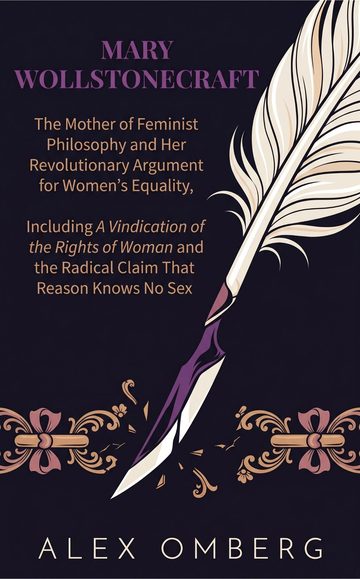
Mary Wollstonecraft
The Mother of Feminist Philosophy and Her Revolutionary Argument for Women's Equality, Including the Radical Claim That Reason Knows No Sex
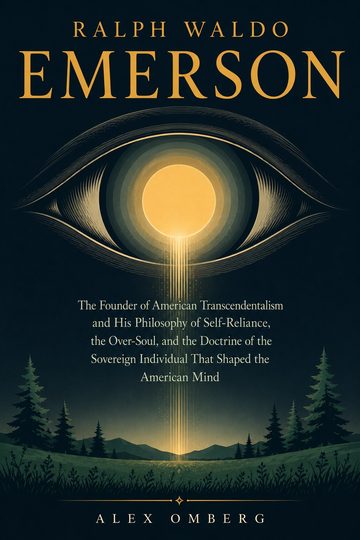
Ralph Waldo Emerson
The Founder of American Transcendentalism and His Philosophy of Self-Reliance, the Over-Soul, and the Doctrine of the Sovereign Individual That Shaped the American Mind

Henry David Thoreau
The Walden Experiment, the Argument for Civil Disobedience, and His Vision of Deliberate Living, Wildness, and the Higher Law of Conscience
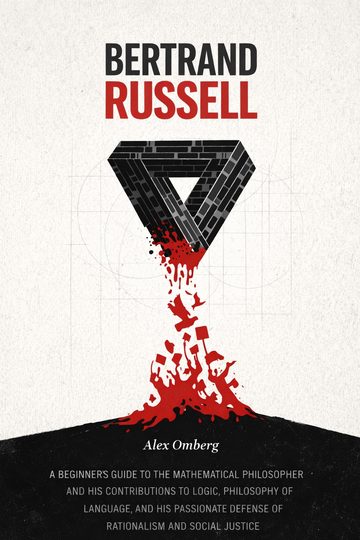
Bertrand Russell
A Beginner's Guide to the Mathematical Philosopher and His Contributions to Logic, Philosophy of Language, and His Passionate Defense of Rationalism and Social Justice
Martin Heidegger
The Philosopher of Being and His Revolutionary Investigation into Existence, Time, and the Forgotten Question at the Heart of Western Thought
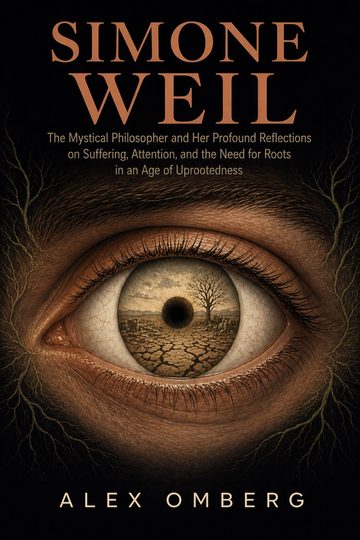
Simone Weil
The Mystical Philosopher and Her Profound Reflections on Suffering, Attention, and the Need for Roots in an Age of Uprootedness
Albert Camus
The Absurd, the Rebel, and the Philosophical Struggle for Human Dignity in a Godless World
John Rawls
Justice as Fairness, the Original Position, and the Veil of Ignorance in a Theory of Justice
The Stoic & Ancient Life
Ancient thinkers and schools who treated wisdom as something practised daily, and whose questions about hardship, desire and integrity remain pressing.
Cynicism
A Beginner's Guide to the Radical Philosophy of Living According to Nature, Rejecting Convention, and the Shameless Pursuit of Virtue from Diogenes to Crates
Stoicism
A Beginner's Guide to the Ancient Art of Inner Freedom, from Zeno to Marcus Aurelius, Including the Dichotomy of Control and the Practice of Living According to Nature
Seneca
Stoic Wisdom on Time, Fortune, and the Art of Living Well, Including Letters to Lucilius and On the Shortness of Life
Marcus Aurelius
The Philosopher-Emperor and His Meditations on Duty, Impermanence, and the Inner Citadel, Including the Stoic Art of Living with Purpose in a World Beyond Our Control
Skepticism
A Beginner's Guide to the Ancient Art of Suspending Judgment, Including the Ten Modes and the Search for Peace of Mind
Beginner's Guide to Philosophical Movements
The traditions that connect the great thinkers, and the fields philosophy divides into: their origins, core ideas, key figures and lasting influence.
The Enlightenment
A Beginner's Guide to the Age of Reason and Its Revolutionary Vision of Human Progress, Including Religious Tolerance, Natural Rights, and the Dare to Think for Yourself
Rationalism
A Beginner's Guide to the Philosophy of Innate Ideas and the Power of Reason, from Descartes to Leibniz, Including the Method of Doubt and the Search for Certain Knowledge
Empiricism
The Philosophy of Experience and Observation, from Locke to Hume, Including the Blank Slate, the Problem of Induction, and the Limits of Knowledge
Classical Liberalism
A Beginner's Guide to the Political Philosophy of Individual Liberty, Limited Government, and Natural Rights, from Locke to Mill, Including the Social Contract and the Harm Principle
German Idealism
The Philosophy of Mind, Freedom, and History, from Kant to Hegel, Including the Critique of Pure Reason, the Dialectic, and the Unfolding of Spirit
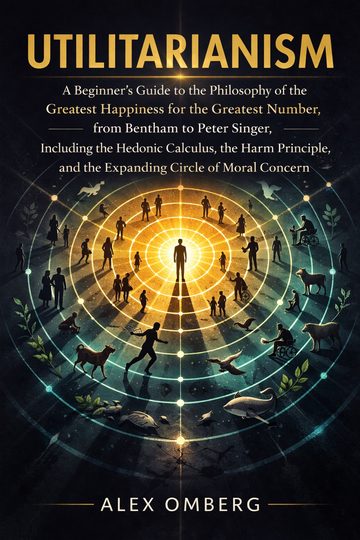
Utilitarianism
A Beginner's Guide to the Philosophy of the Greatest Happiness for the Greatest Number, Including the Hedonic Calculus, the Harm Principle, and the Expanding Circle of Moral Concern
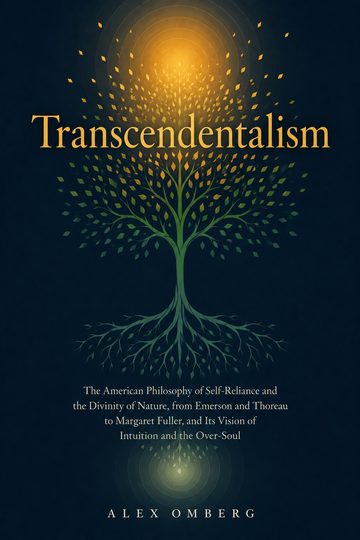
Transcendentalism
The American Philosophy of Self-Reliance and the Divinity of Nature, from Emerson and Thoreau to Margaret Fuller, and Its Vision of Intuition and the Over-Soul
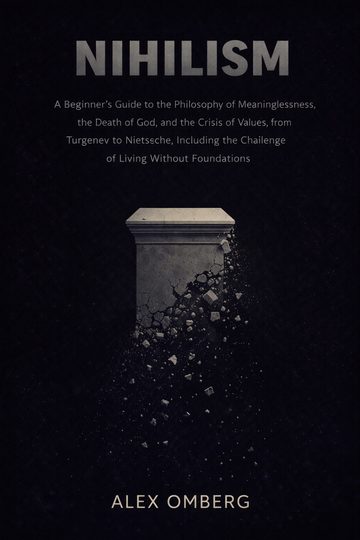
Nihilism
The Philosophy of Meaninglessness, the Death of God, and the Crisis of Values, from Turgenev to Nietzsche, Including the Challenge of Living Without Foundations
Marxism
A Beginner's Guide to the Philosophy of Historical Materialism, Class Struggle, and Human Emancipation, Including Alienation, Ideology, and the Critique of Capitalism
Pragmatism
A Beginner's Guide to the Distinctly American Philosophy of Practical Consequences, from Peirce to Dewey, Including the Will to Believe, Truth as What Works, and the Experimental Method
Phenomenology
A Beginner's Guide to the Study of Consciousness and Lived Experience, from Husserl to Merleau-Ponty, Including the Method of Bracketing and the Return to the Things Themselves
Analytic Philosophy
The Philosophy of Logic, Language, and Clarity, Including the Linguistic Turn, Logical Positivism, and the Dissolution of Philosophical Problems
Existentialism
A Beginner's Guide to the Philosophy of Freedom, Authenticity, and the Burden of Creating Meaning, from Kierkegaard to Camus, Including Anxiety, Absurdity, and Radical Responsibility
Humanism
The Philosophy of Human Dignity, Reason, and Flourishing, from Protagoras and Cicero Through the Renaissance to the Modern Secular Vision of a Life Without Gods but Not Without Meaning
Critical Theory
A Beginner's Guide to the Frankfurt School and Its Critique of Modern Society, Including the Culture Industry, the Authoritarian Personality, and Communicative Reason
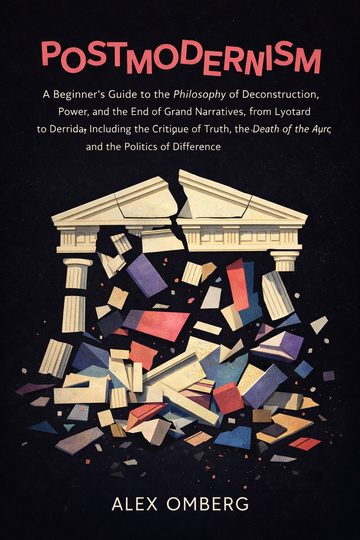
Postmodernism
A Beginner's Guide to the Philosophy of Deconstruction, Power, and the End of Grand Narrative, Including the Critique of Truth, the Death of the Author, and the Politics of Difference
Logic
The Philosophy of Reasoning, Including Validity, Paradox, and the Foundations of Rational Thought, from Aristotle's Syllogism to Gödel's Incompleteness Theorem
Metaphysics
The Deepest Questions of Reality, Including the Nature of Existence, Free Will, Time, Causation, and Whether the World Is What It Appears to Be
Epistemology
The Philosophy of Knowledge, Including the Gettier Problem, the Challenge of Skepticism, the Foundations of Justification, and the Question of What We Can Really Know
Ethics
Aesthetics
The Philosophy of Art, Beauty, and the Sublime, Including the Nature of Taste, the Meaning of Artistic Truth, and the Question of Whether Beauty Is in the Eye of the Beholder
Philosophy of Mind
A Beginner's Guide to the Great Debates over Consciousness, Free Will, and the Relationship Between Mind and Body, Including the Hard Problem and the Zombie Argument
Free Will and Determinism
The Oldest Debate in Philosophy, Including the Problem of Moral Responsibility, the Challenge of Neuroscience, and the Question of Whether Your Choices Are Truly Your Own
Philosophy of Religion
The Great Debates over God, Faith, and the Limits of Reason, Including the Problem of Evil, Pascal's Wager, and the Meaning of Religious Experience
Political Philosophy
A Beginner's Guide to the Great Debates over Justice, Power, and the Good Society, Including Liberty, Equality, and the Limits of Authority
Social Contract Theory
A Beginner's Guide to the Philosophy of Political Legitimacy and Consent, from Hobbes to Rawls, Including the State of Nature, the General Will, and the Veil of Ignorance
Social Philosophy
The Philosophy of Society, Including Social Construction, Collective Identity, the Nature of Institutions, and the Question of What Holds Human Communities Together
Philosophy of Science
The Foundations of Scientific Knowledge, Including the Demarcation Problem, Falsification, Paradigm Shifts, and the Debate over Whether Science Discovers Truth
Feminism in Philosophy
A Beginner's Guide to the Philosophical Foundations of Women's Equality, Including Liberal Feminism, the Ethics of Care, and the Social Construction of Gender
The Foundations of Philosophy
The deepest questions human beings have asked, with the competing answers set side by side.
The First Question
What Philosophy Is, How It Works, and Why the Questions It Asks About Existence, Knowledge, Morality, and Meaning Are the Most Important Questions Human Beings Have Ever Posed
The Arc of Western Thought
The Story of Philosophy from the Ancient Greeks Through the Medieval Synthesis and the Enlightenment to the Modern Crisis of Meaning
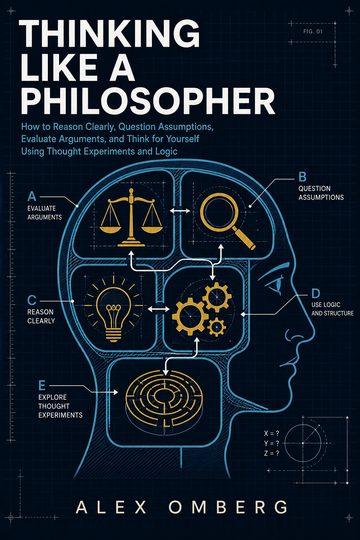
Thinking Like a Philosopher
How to Reason Clearly, Question Assumptions, Evaluate Arguments, and Think for Yourself Using Thought Experiments and Logic
What Is Real?
Philosophy's Enduring Inquiry into Existence, from Plato's Forms and Aristotle's Substance Through Materialism and Idealism to the Contemporary Debates
What Can We Know?
Philosophy's Inquiry into Knowledge, from Socratic Ignorance and the Problem of Skepticism Through the Rationalist-Empiricist Debate to Justification and Belief
What Should We Do?
Philosophy's Search for the Foundations of Right Action, from Aristotle's Virtues and the Stoic Good Through Kant and Utilitarianism to Modern Ethics
What Is Justice?
Philosophy's Quest to Understand Fairness, Rights, and the Good Society, from Plato's Republic Through the Social Contract to Rawls and the Global Present
What Makes Something Beautiful?
Philosophy's Inquiry into Art, Taste, and the Sublime, from Plato and Aristotle Through Kant's Aesthetic Judgment to the Question of Objectivity
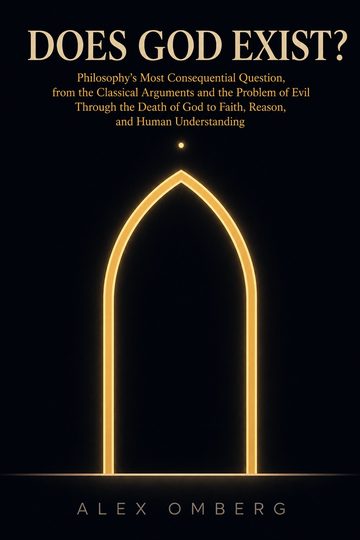
Does God Exist?
Philosophy's Most Consequential Question, from the Classical Arguments and the Problem of Evil Through the Death of God to Faith, Reason, and Human Understanding
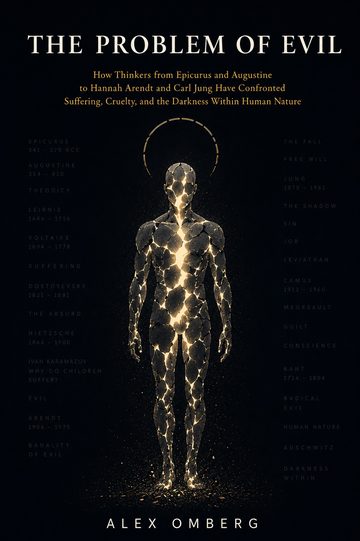
The Problem of Evil
How Thinkers from Epicurus and Augustine to Hannah Arendt and Carl Jung Have Confronted Suffering, Cruelty, and the Darkness Within Human Nature
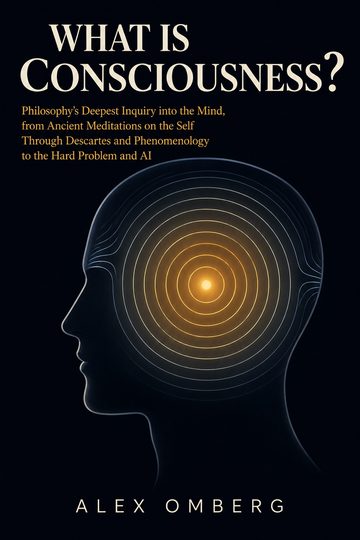
What Is Consciousness?
Philosophy's Deepest Inquiry into the Mind, from Ancient Meditations on the Self Through Descartes and Phenomenology to the Hard Problem and AI
What Is the Meaning of Life?
Philosophy's Inquiry into Purpose, Value, and the Good Life, from Aristotle and the Stoics Through Existentialism to the Path Beyond Suffering
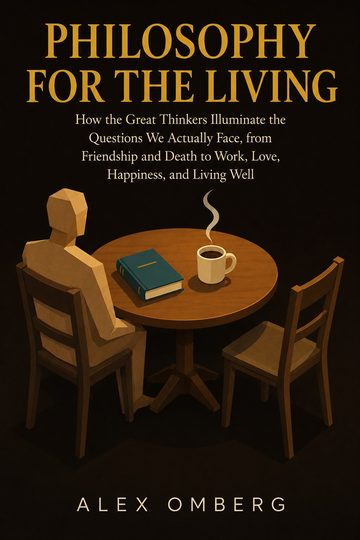
Philosophy for the Living
How the Great Thinkers Illuminate the Questions We Actually Face, from Friendship and Death to Work, Love, Happiness, and Living Well